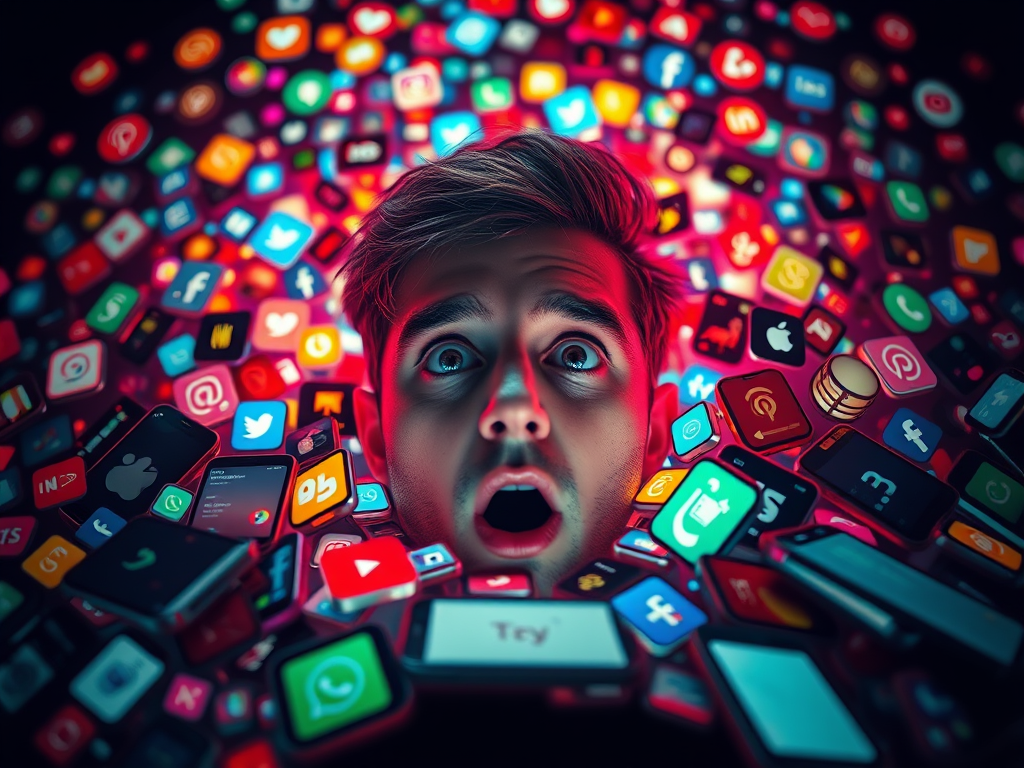
Social media platforms utilize sophisticated algorithms to personalize the content that appears on users’ feeds. These algorithms are designed to maximize viewing time and engagement, often resulting in information overload. Users face a constant barrage of posts, videos, and ads, which can lead to a feeling of overwhelm.
Moreover, the way algorithms prioritize content can influence users’ perceptions and decisions. Platforms tend to favor content that generates more interaction, which does not always correlate with high-quality information. This dynamic presents challenges for both consumers and brands, who must find ways to stand out in a saturated environment.
The New Norm of Immediacy: What Does It Mean for Users?
Immediacy has become a key feature of content consumption on social media. Users expect updates and responses in real-time, redefining how they interact with platforms and other users. This demand for immediacy can lead to diminished attention spans and patience as users seek instant gratification.
For users, this means a shift in how they absorb and process information. The rapid pace at which content is presented can hinder critical reflection and deep understanding. However, it has also created opportunities for quicker and more efficient information exchange and connection.
Marketing Strategies in the Era of Ephemeral Content
In the era of ephemeral content, marketing strategies must adapt to quickly and effectively capture attention. Brands are leveraging short videos and visually engaging content to communicate their messages succinctly. Platforms like TikTok have spearheaded this trend, encouraging brands to be creative and authentic.
Authenticity and transparency have become crucial values in marketing strategies. Consumers prefer content that feels genuine and accessible, leading to a rise in the use of behind-the-scenes content and unedited moments. Successful campaigns are those that can emotionally connect with the audience in a brief time frame.
The Psychological Impact of Rapid Content Consumption
Rapid content consumption can have various psychological effects on users. Constant exposure to a large volume of information can cause stress and anxiety, especially when dealing with negative news or overwhelming information. The phenomenon of ‘doomscrolling,’ where users continuously scroll through depressing news, is an example of how content consumption can adversely affect mood.
Conversely, rapid consumption can also lead to instant gratification and dopamine release, potentially fostering addictive behaviors. The need to stay constantly updated can interfere with users’ ability to disconnect and relax, impacting their overall well-being.
Adaptation and the Future: Surviving in a Fast-Paced Digital Environment
To thrive in a fast-paced digital environment, both users and brands must learn to adapt. Users can benefit from practices like screen time management and selective content engagement. Setting boundaries and taking regular breaks can help mitigate the negative effects of rapid consumption.
Brands, on the other hand, should focus on creating relevant and authentic content that resonates with their audience. Integrating technologies like artificial intelligence can help personalize the user experience and direct marketing efforts more efficiently. Looking forward, we are likely to see a greater integration of emerging technologies and a continued focus on authenticity and transparency.
 AI-Powered Marketing Strategy Blog