
The rise of remote work has transformed the global workforce, and as we navigate through 2024, technology continues to evolve to meet the needs of this new work environment. With companies increasingly adopting flexible work models, understanding the emerging technologies that support remote work is essential for both businesses and employees. In this article, we’ll explore the latest trends in remote work technology and how they are shaping the workplace of the future.
Advanced Collaboration Tools
As remote work becomes more prevalent, advanced collaboration tools have emerged to bridge the gap between distributed teams. Platforms like Microsoft Teams, Slack, and Zoom have evolved to offer more than just communication; they now provide integrated solutions for project management, file sharing, and workflow automation. These tools are designed to enhance productivity and ensure seamless collaboration, no matter where team members are located.
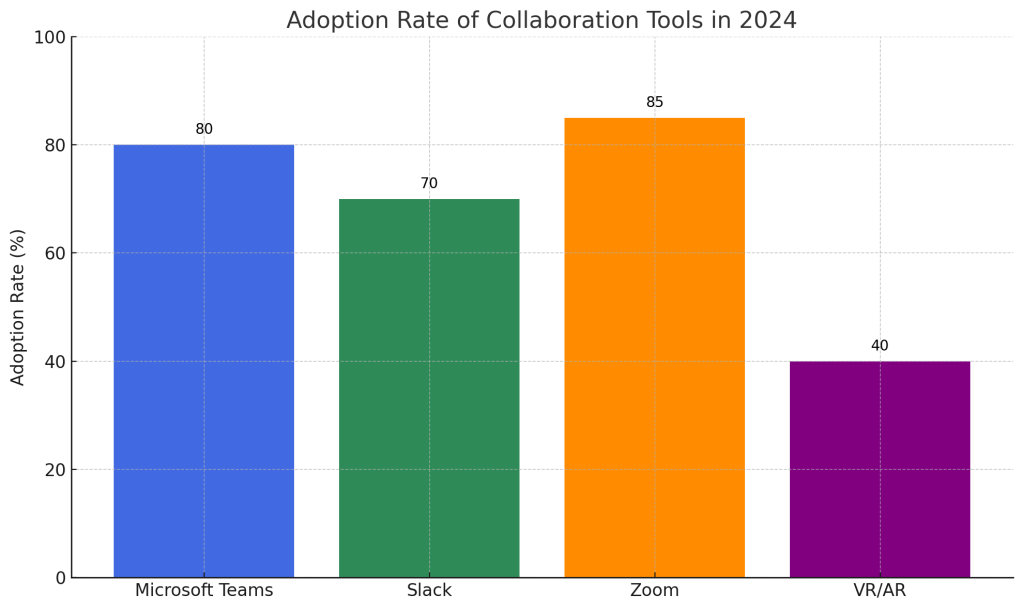
Virtual reality (VR) and augmented reality (AR) are also making their way into the remote work landscape. VR meetings and AR-enhanced training sessions allow employees to interact in a more immersive and engaging way. These technologies can recreate the in-office experience, enabling teams to brainstorm, collaborate, and innovate as if they were physically together.
Cybersecurity Enhancements
With the shift to remote work, cybersecurity has become a top priority for organizations. Protecting sensitive data and maintaining privacy are critical challenges that businesses must address. In 2024, cybersecurity solutions are becoming more sophisticated, employing AI-driven threat detection and zero-trust architectures to safeguard remote work environments.
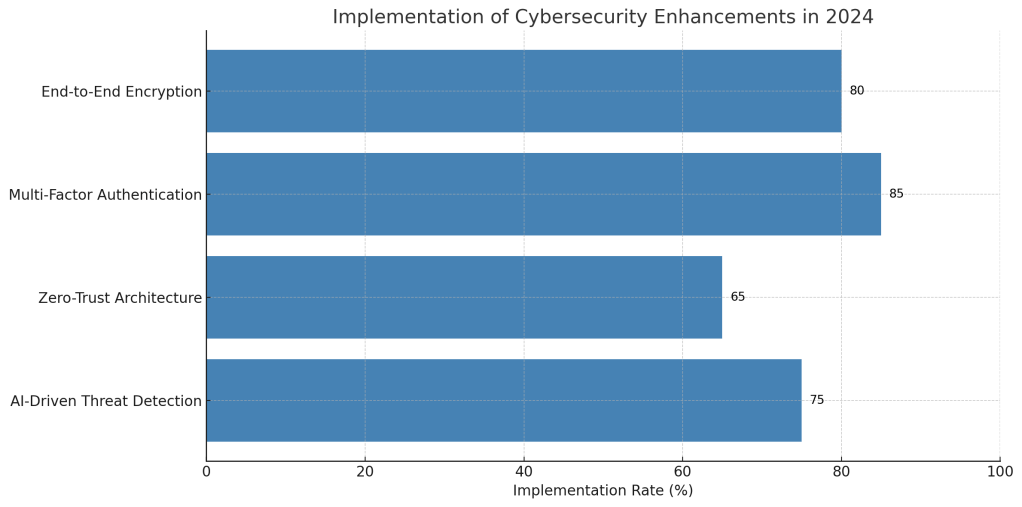
Multi-factor authentication (MFA) and end-to-end encryption are standard practices, while advanced security protocols ensure that remote workers can access company resources securely. Companies are also investing in cybersecurity training programs to educate employees on best practices for maintaining a secure digital workspace.
AI-Powered Productivity Tools
Artificial intelligence is playing a pivotal role in enhancing remote work productivity. AI-powered tools are being used to automate routine tasks, manage schedules, and even analyze work patterns to provide insights for improved efficiency. Virtual assistants like Siri, Alexa, and Google Assistant are evolving to become essential productivity companions, helping remote workers manage their tasks and stay organized.

Moreover, AI-driven analytics are providing businesses with valuable insights into employee performance and well-being. By analyzing data on work habits and engagement levels, companies can make informed decisions to support their remote workforce and optimize productivity.
Cloud-Based Solutions
Cloud technology remains a cornerstone of remote work, offering the flexibility and scalability needed to support distributed teams. Cloud-based solutions like Google Workspace and Microsoft 365 enable employees to access files, collaborate in real-time, and work from any location with an internet connection. The cloud also facilitates data backup and disaster recovery, ensuring business continuity in any situation.
As cloud technology advances, we are seeing the rise of edge computing, which brings processing power closer to the data source. This reduces latency and enhances the performance of remote applications, providing a smoother experience for users.
The future of remote work is being shaped by cutting-edge technologies that enhance collaboration, security, productivity, and flexibility. As businesses continue to adapt to this new work paradigm, embracing these technologies will be key to staying competitive and fostering a successful remote work environment. By leveraging advanced tools and solutions, companies can create a workplace that not only supports remote work but also empowers employees to thrive in an ever-changing digital landscape.
 AI-Powered Marketing Strategy Blog